Robert Koch Facts for Kids
From a curious country doctor to one of the world’s greatest germ detectives.
A Curious Child in Germany
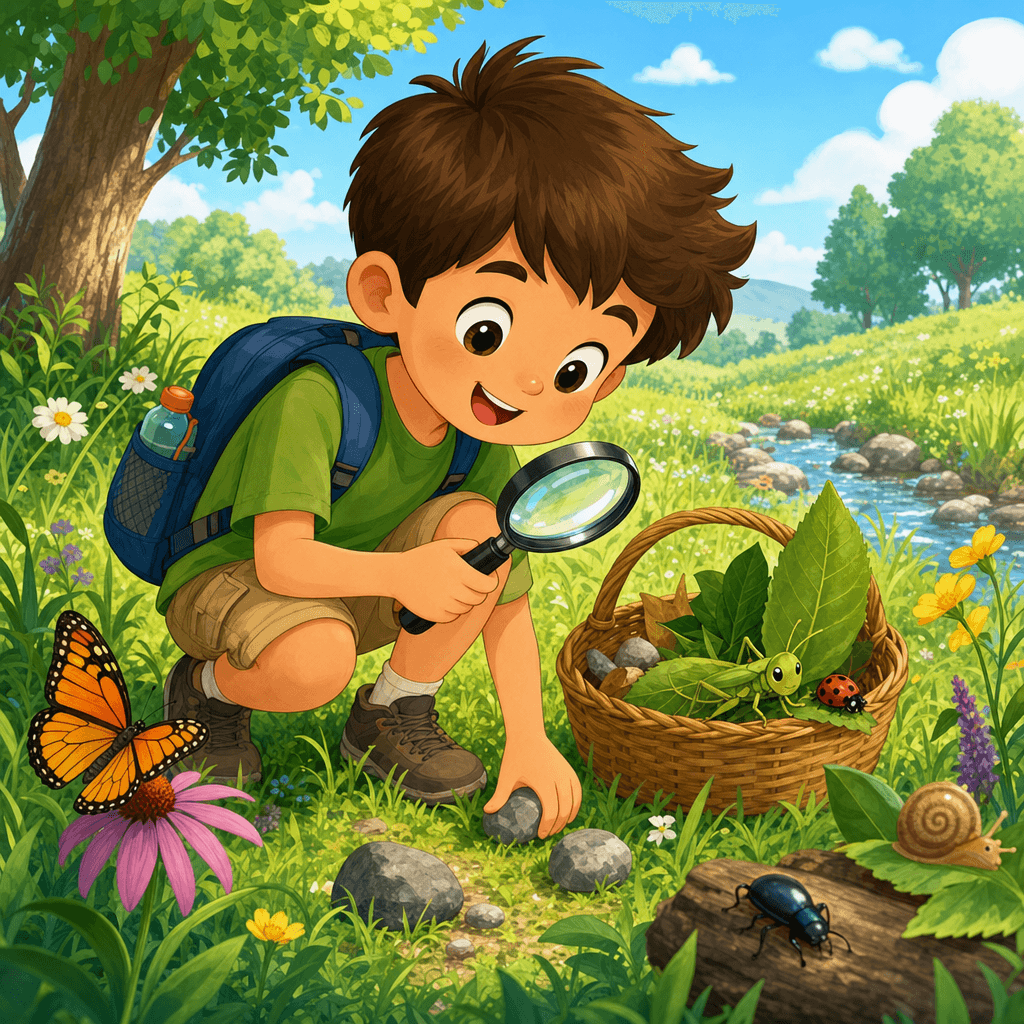
Robert Koch was born in 1843 in Clausthal, in the Harz Mountains of Germany. Even as a child, he seemed unusually curious. He collected minerals, plants, and small animals and dreamed of being a great explorer.
One famous story says he amazed his parents at age five by teaching himself to read with the help of newspapers. Those stories fit the pattern of his later life: Koch liked careful observation, collecting evidence, and figuring things out for himself.
From Student to Country Doctor
Koch studied medicine at the University of Göttingen and later worked in hospitals before becoming a country doctor. That may not sound glamorous, but it mattered. A country doctor had to pay close attention, solve practical problems, and keep learning.
In many ways, he was part doctor, part naturalist, and part investigator. That combination helped make him excellent at asking the right medical questions.
Finding Dangerous Microbes
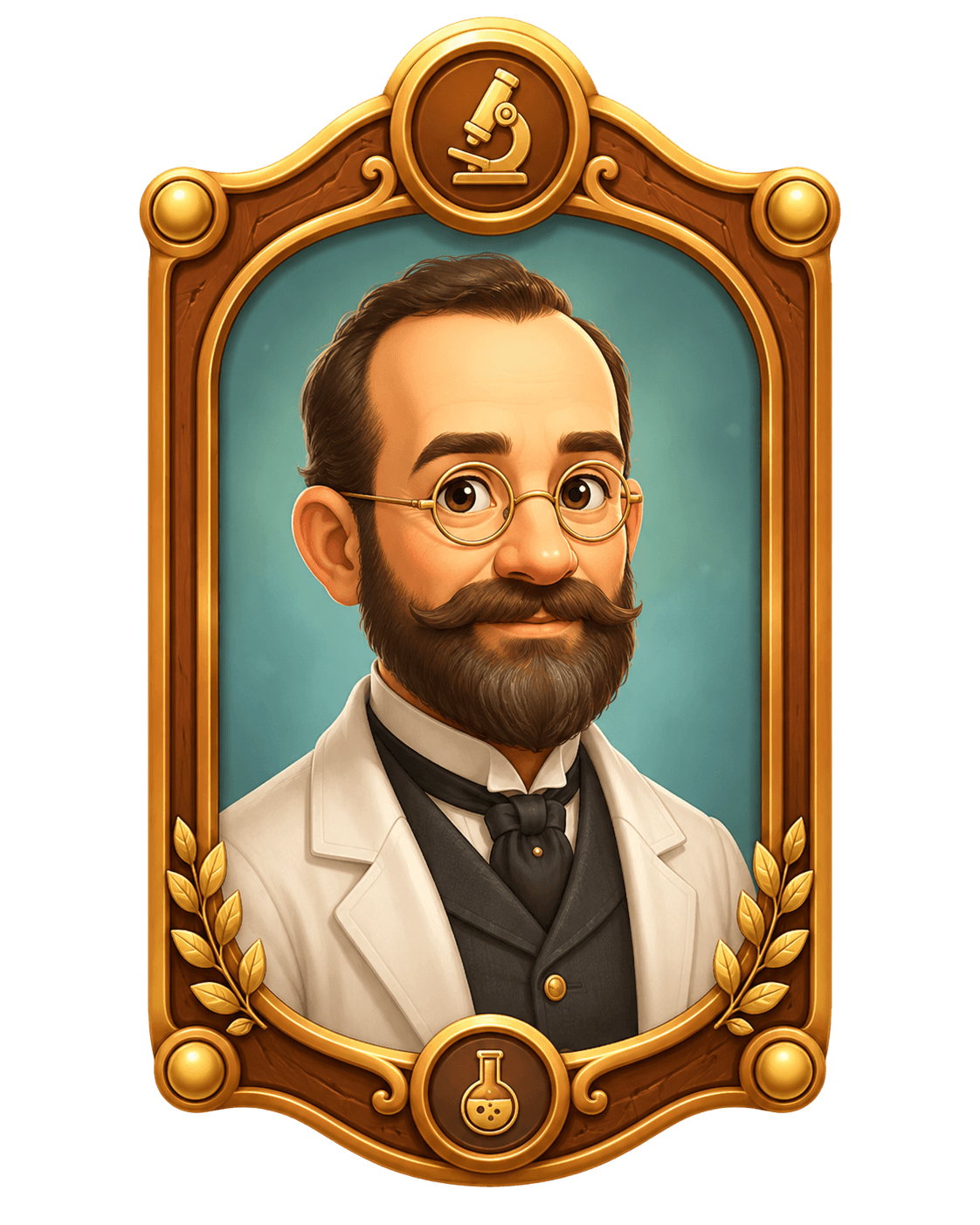
Koch became world famous because of his work on disease-causing bacteria. He discovered the anthrax disease cycle and the bacteria responsible for tuberculosis and cholera.
He found the tuberculosis bacterium in 1882 and later identified the cholera bacterium during outbreak investigations. These discoveries were huge because they gave doctors real evidence about what caused certain deadly illnesses.
Awards and Recognition
In 1905, Koch received the Nobel Prize in Physiology or Medicine for his investigations and discoveries about tuberculosis. By then he was already recognized as one of the founders of bacteriology.
He led important laboratory work in Berlin, and an institute for infectious diseases was later named the Robert Koch Institute. When a scientist’s name stays attached to a major public-health institute for more than a century, you know just how deeply his work shaped the field.
What Made Koch Special
- He was patient and careful, always asking “what is the evidence?”
- He kept neat notes and studied carefully through the microscope.
- His childhood love of collecting hinted at his future as a germ hunter.
Fun Facts About Koch
He reportedly taught himself to read at age five.
According to a famous account, young Robert surprised his parents by learning to read using newspapers.
As a child he dreamed of being an explorer.
He loved collecting plants, rocks, and animals; his curiosity about nature stayed with him for life.
He won the Nobel Prize in 1905.
The award honored his investigations and discoveries about tuberculosis, one of the world’s deadliest diseases.
Why His Story Matters
Kids still learn about Koch because his life shows how medicine became more scientific. His work helped doctors move from a vague fear of illness toward specific, testable explanations.
Today, organizations still track bacterial diseases, teach how infections spread, and focus on clean water, safer food, and infection control. Koch’s story is about how science protects people by finding the real cause of a problem, a lesson worth keeping.