The Wright Brothers for Kids
On a windy beach in 1903, two brothers from a bicycle shop flew a powered airplane for the first time. Here’s how they did it, and who helped show the way.
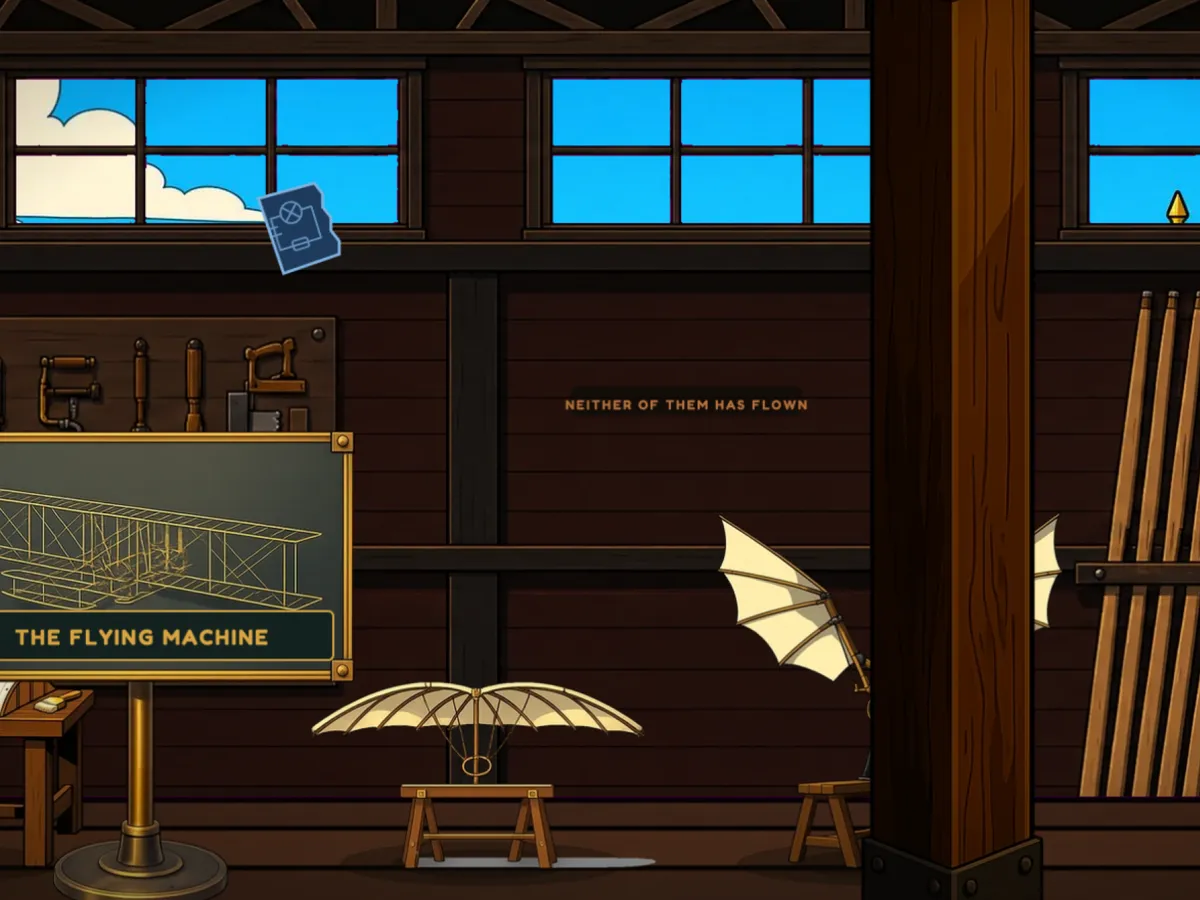
Who were the Wright brothers?
Wilbur and Orville Wright were brothers who ran a bicycle shop in Dayton, Ohio, in the USA. They were fascinated by flying, and they spent years studying birds, reading about gliders and building their own.
On 17 December 1903, near Kitty Hawk, North Carolina, Orville lay on the lower wing of their airplane, the *Flyer*, and it lifted off under its own power. The flight lasted just 12 seconds and covered 36 metres, shorter than the wingspan of a jumbo jet. But it was the first time a powered, controlled airplane had flown with a pilot on board.
The pioneers before them
The Wrights didn’t start from scratch. They built on the work of earlier flying pioneers.
- 1
1799George Cayley’s big idea
This English inventor worked out that flying is four jobs: lift, thrust, drag and weight, and that wings don’t need to flap.
- 2
1853A glider with a passenger
Cayley built a glider that carried a person, his coachman, across a valley.
- 3
1891–1896Otto Lilienthal glides
This German pioneer made more than 2,000 glides from a hill he built himself, learning to fly by flying.
- 4
1901The Wrights’ wind tunnel
The brothers built a wind tunnel and tested about 200 small wing shapes, because the numbers everyone trusted were wrong.
- 5
1903First powered flight
The Flyer takes off with Orville at the controls. By the end of the day, Wilbur flies for 59 seconds.
What the Wrights really invented: control
Lots of people could build a glider. The hard part was steering it. Lilienthal’s gliders were steered by swinging his body, which made them hard to control.
The Wrights found a clever way to twist the tips of the wings, called wing warping, so the plane could tilt and turn like a bird. With a rudder and an elevator too, the pilot could control the plane in every direction. That system of controls is the Wright brothers’ greatest invention, and airplanes still use the same idea today.
Sky-High Facts
They built their own engine.
No engine was light and strong enough, so their mechanic Charlie Taylor helped them build one from scratch.
Wilbur got the wing-warping idea from birds.
He watched birds twist their wingtips to turn, and then showed the idea by twisting a long, empty cardboard box.
Kitty Hawk was chosen for its wind.
Its steady winds helped the planes lift off, and soft sand made landings gentler.
They flew four times that first day.
The longest flight, by Wilbur, lasted 59 seconds and travelled about 260 metres.
Flapping wings didn’t work.
For centuries, people built machines with flapping wings like birds. None of them flew. Fixed wings were the answer.
Science words to know
- Glider
- An aircraft with wings but no engine. It floats on the air.
- Wind tunnel
- A tube where air is blown over models to test how they fly.
- Wing warping
- Twisting a wing’s tips to make a plane tilt and turn.
- Pilot
- The person who controls an aircraft.
Quick quiz!
0 / 31. What job did the Wright brothers have?
2. How long was the very first flight?
3. What was the Wrights’ most important invention?
Questions kids ask
Who invented the airplane?
The Wright brothers made the first powered, controlled airplane flight in 1903. They built on earlier work by George Cayley, Otto Lilienthal and others.
Where did the Wright brothers fly?
At Kill Devil Hills, near Kitty Hawk, North Carolina, on 17 December 1903.
Who flew first, Orville or Wilbur?
Orville piloted the first successful flight. Wilbur flew the longest flight of that day.
How do airplanes stay in the air?
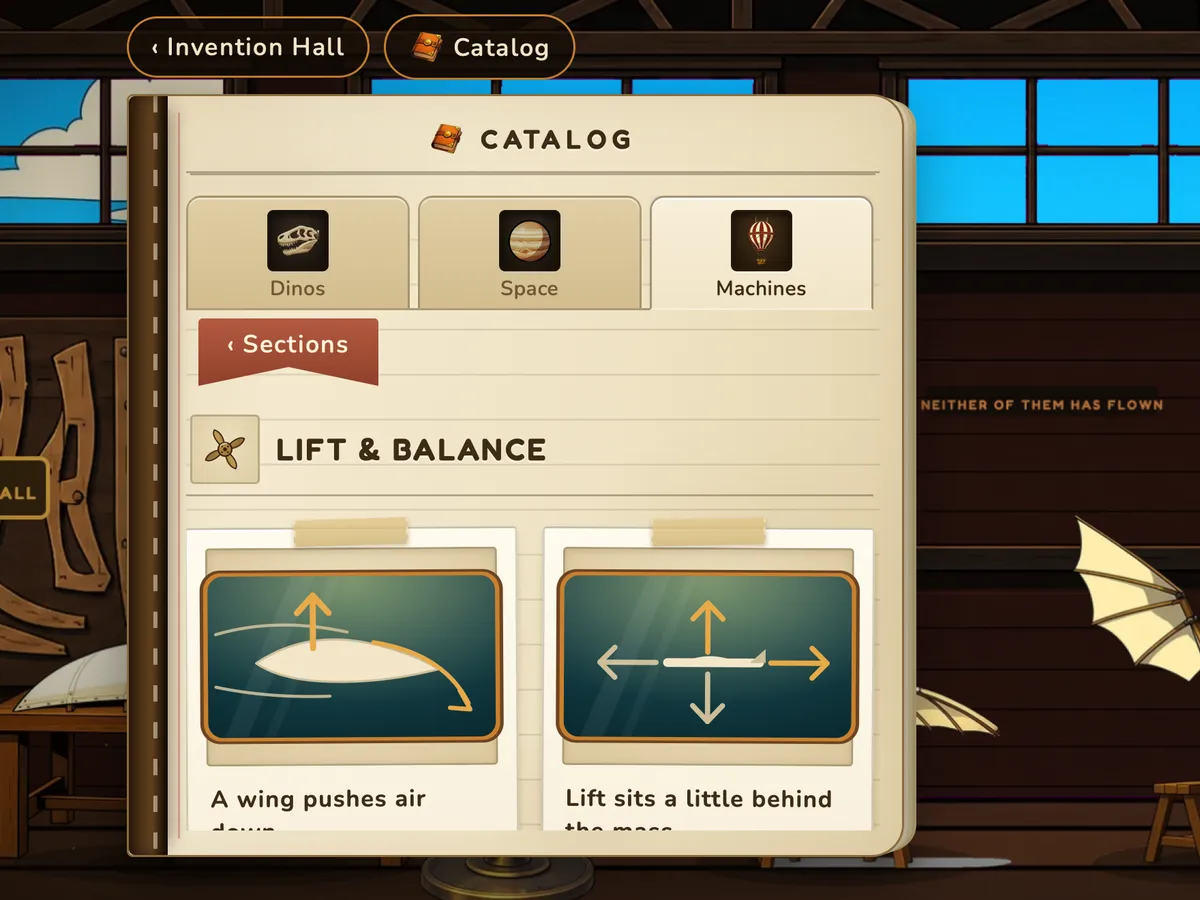
Their wings push air down, and the air pushes the wings up. Find out more in how do airplanes fly.
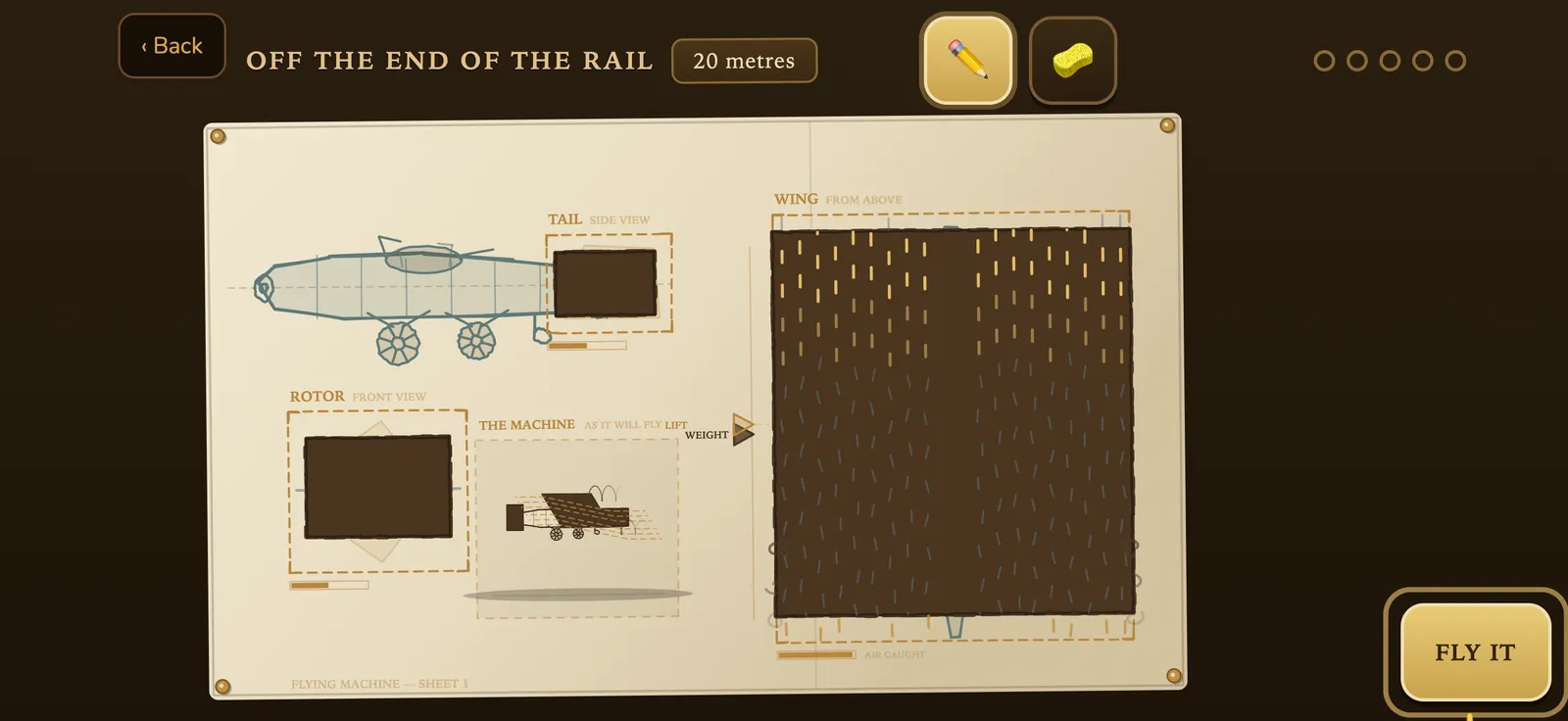
The Drawing Board
Draw a wing, a tail and a propeller, launch your machine, and see how it flies. Then change one thing and try again, just like the Wrights.
No ads, ever · Plays offline · Made for young kids and adults