Great Inventions for Kids
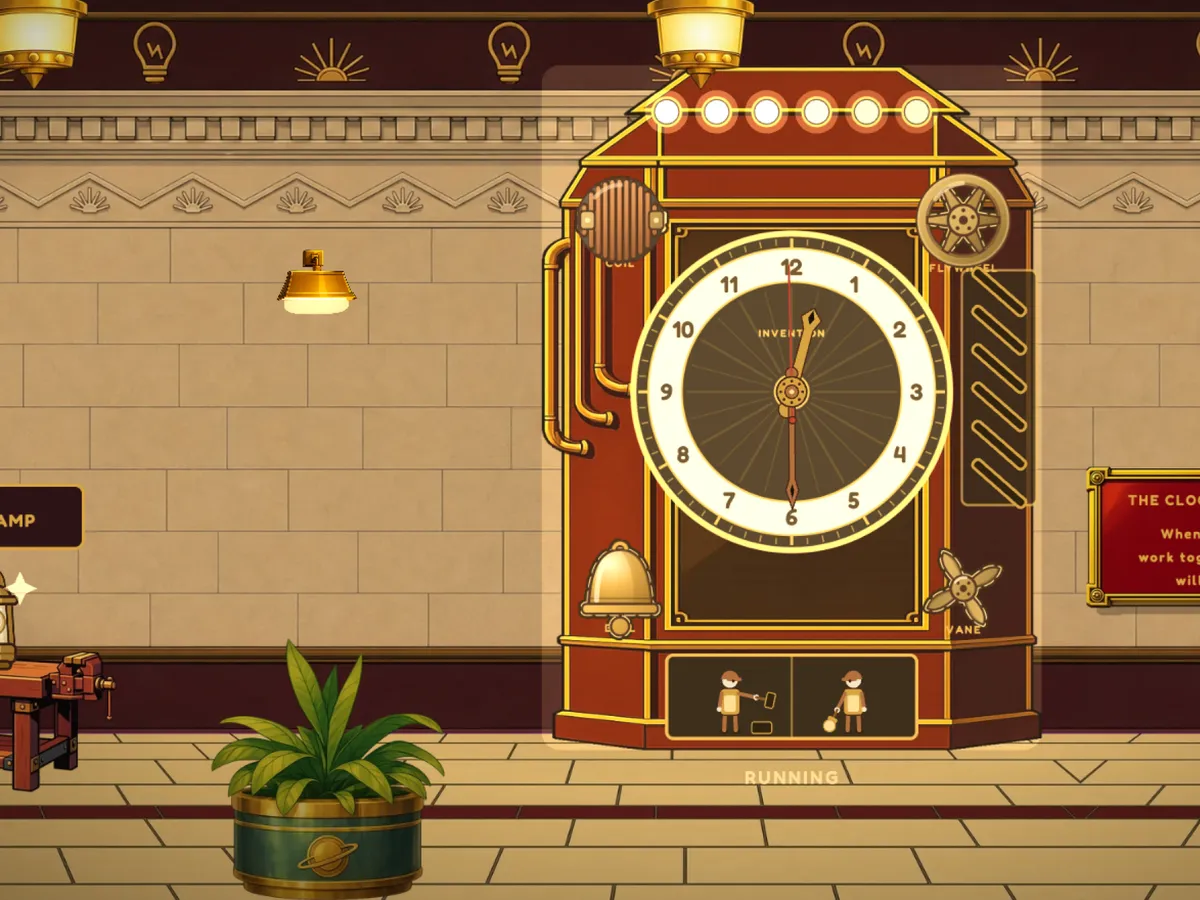
Five workshops, five world-changing ideas, and one great clock that only turns when they all work together. Meet the inventions, and the real people behind them.
Who invents things?
An invention is a new machine, tool or way of doing something. We often hear that one genius invented each famous thing in a flash of inspiration. But the real stories are more interesting: most great inventions were built by many people, each adding one important piece.
Edison didn’t invent the light bulb, Watt didn’t invent the steam engine and Gutenberg didn’t invent printing. Each of them added something that made the idea work far better. In the Great Inventions Wing, you’ll find out exactly what.
Explore the five workshops
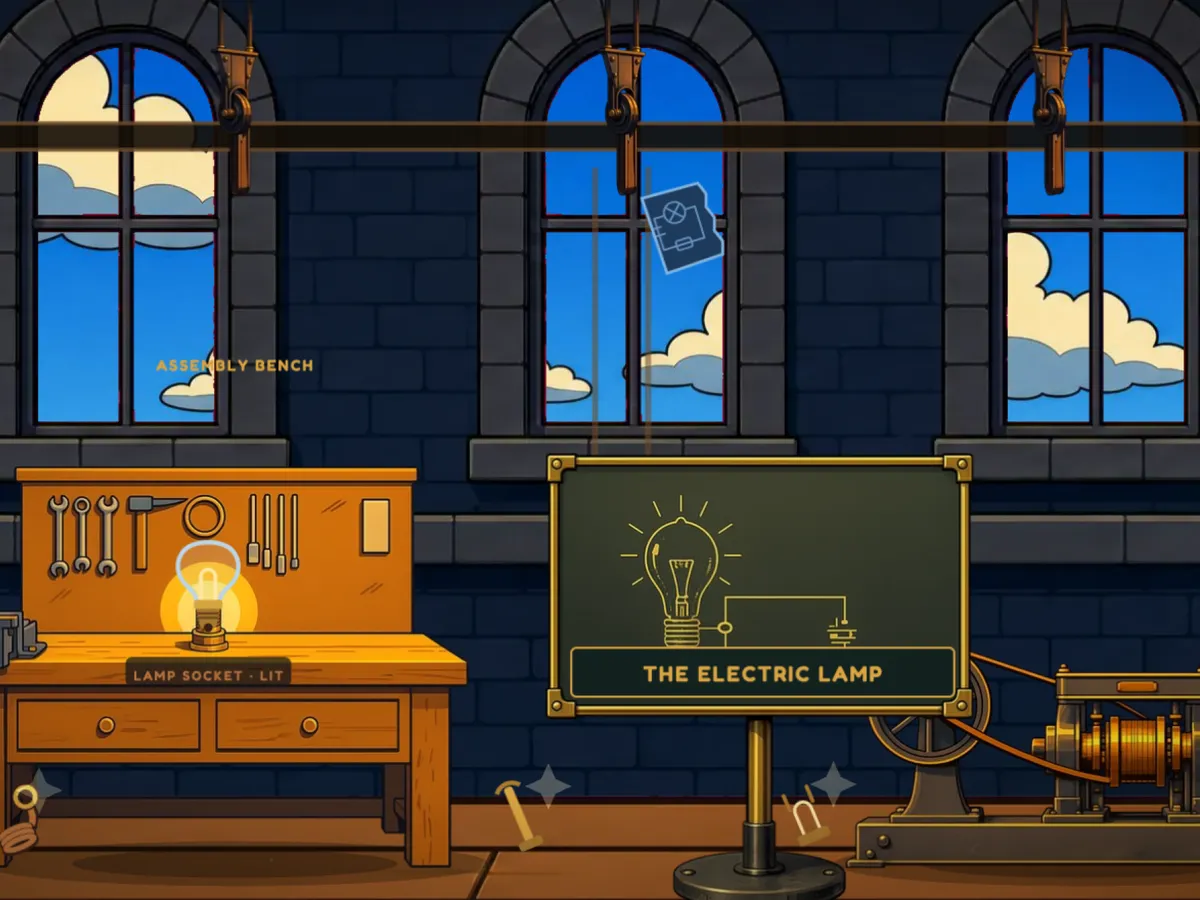
The light bulb
Swan, Edison and the twenty inventors before them.
Read more →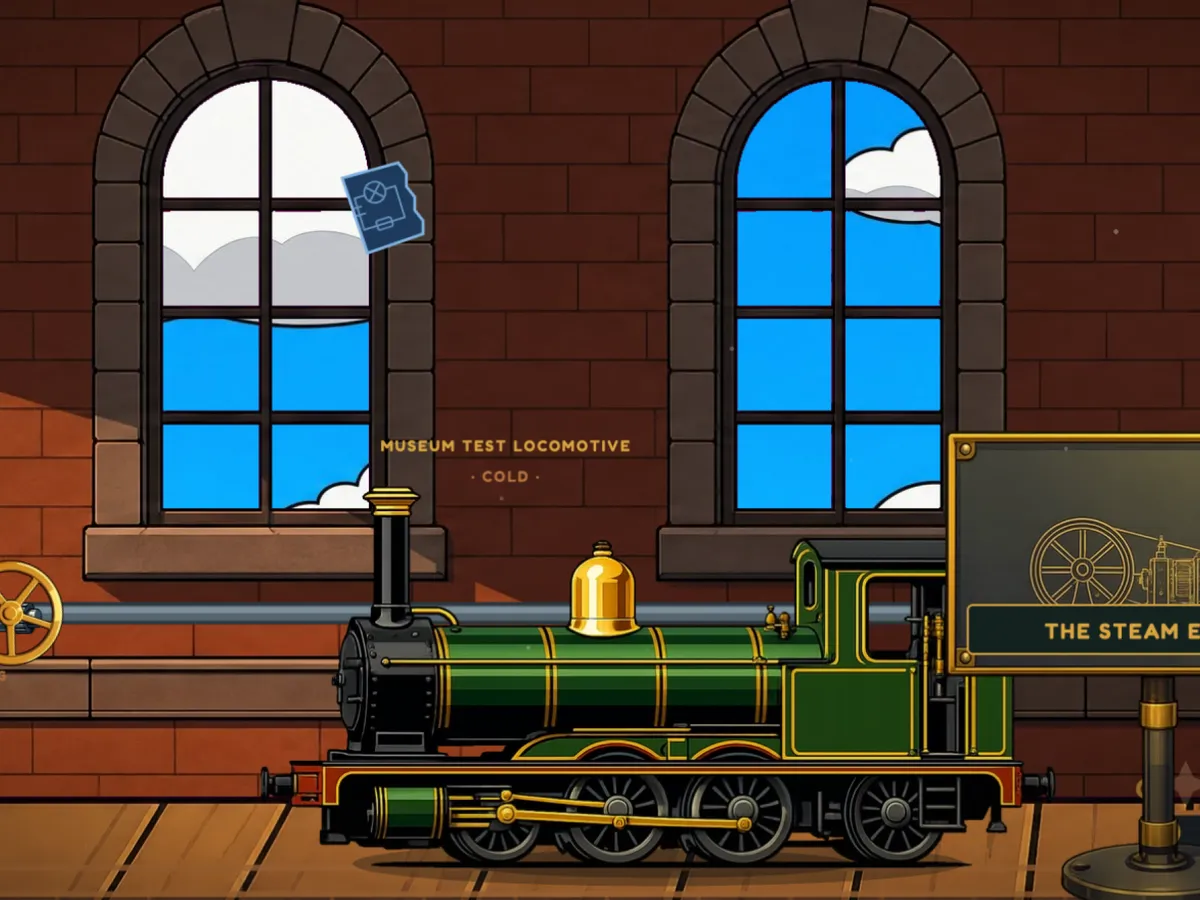
The steam engine
How fire and water moved the world.
Read more →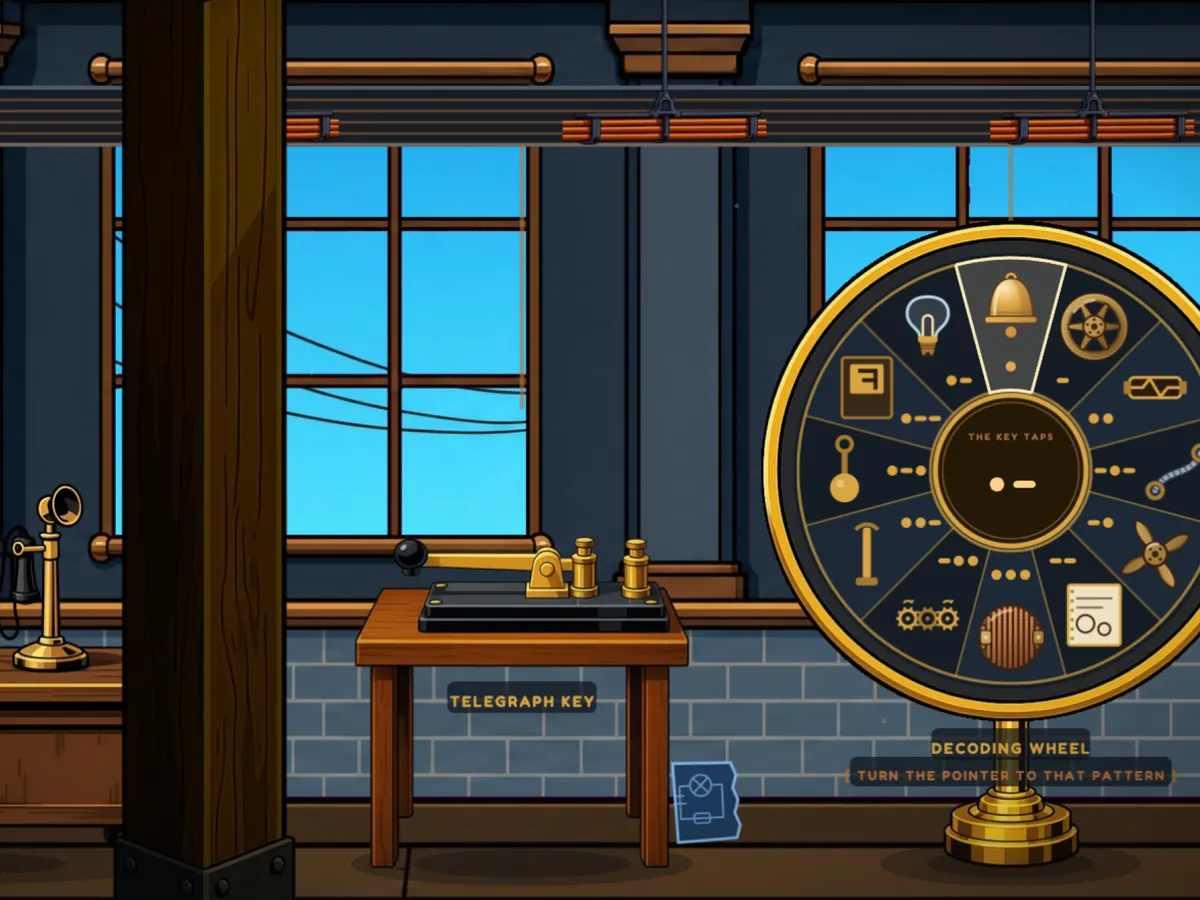
The telephone
From telegraph clicks to voices down a wire.
Read more →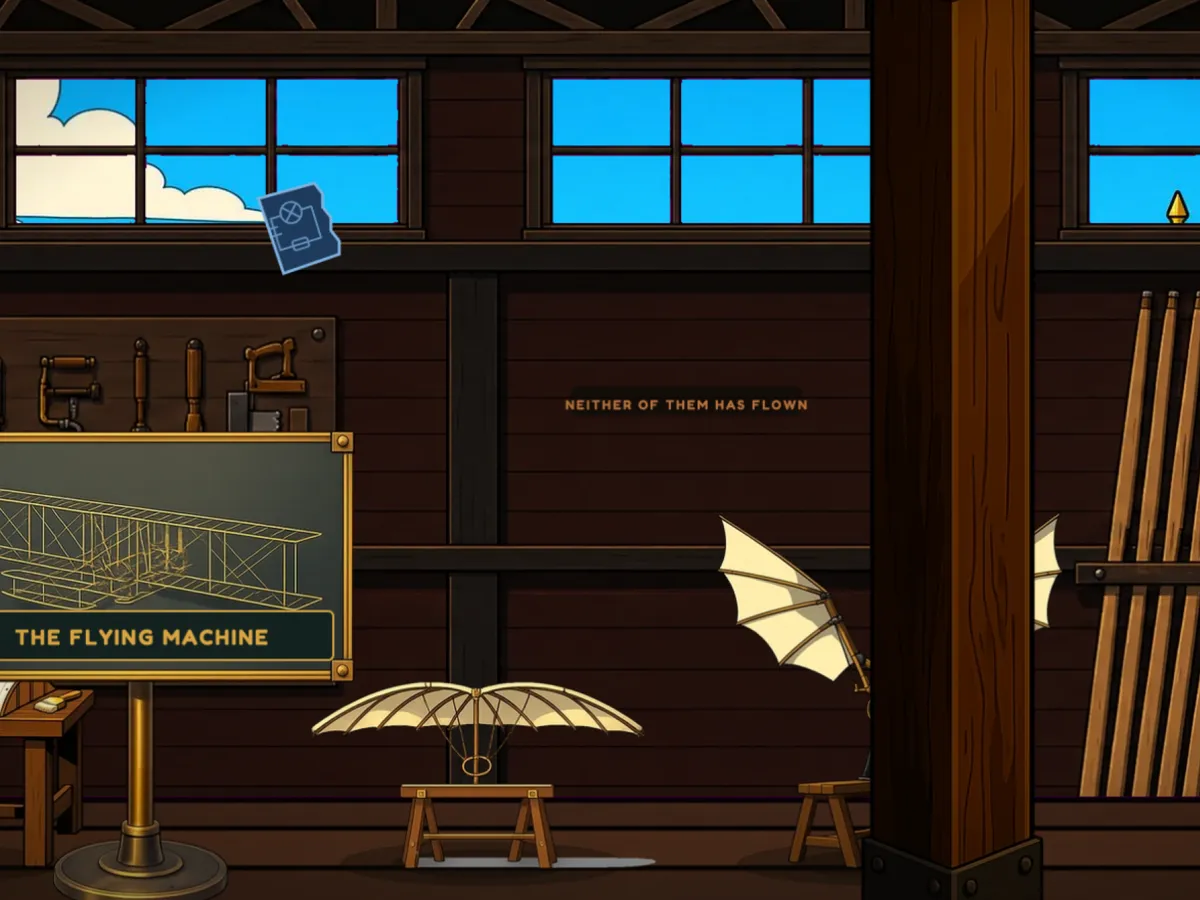
The airplane
Two bicycle makers and the problem of control.
Read more →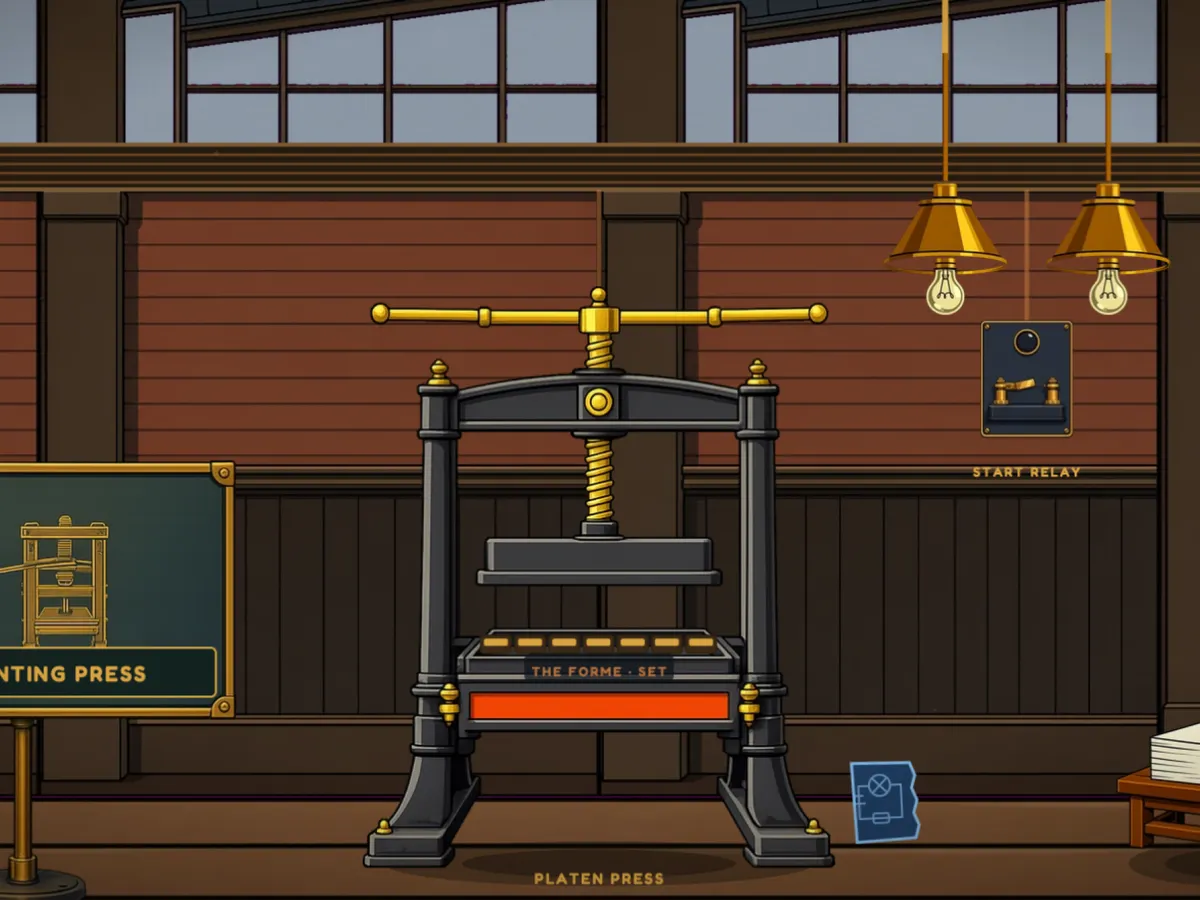
The printing press
Movable type from China, Korea and Gutenberg.
Read more →
A timeline of great ideas
- 1
~1040Movable type
Bi Sheng makes clay letters that can be reused in China.
- 2
~1450Gutenberg’s press
A fast printing system spreads books across Europe.
- 3
1712Steam power
Thomas Newcomen’s engine pumps water from mines.
- 4
1765A better engine
James Watt’s separate condenser saves three-quarters of the coal.
- 5
1831Electricity from motion
Michael Faraday discovers how to make electricity with magnets.
- 6
1876The telephone
Bell and Elisha Gray file telephone papers on the same day. Bell gets the patent.
- 7
1879Light bulbs that last
Swan and Edison make practical electric lamps.
- 8
1903First powered flight
The Wright brothers fly for 12 seconds at Kitty Hawk.
How does it work?
Three science ideas power every workshop.
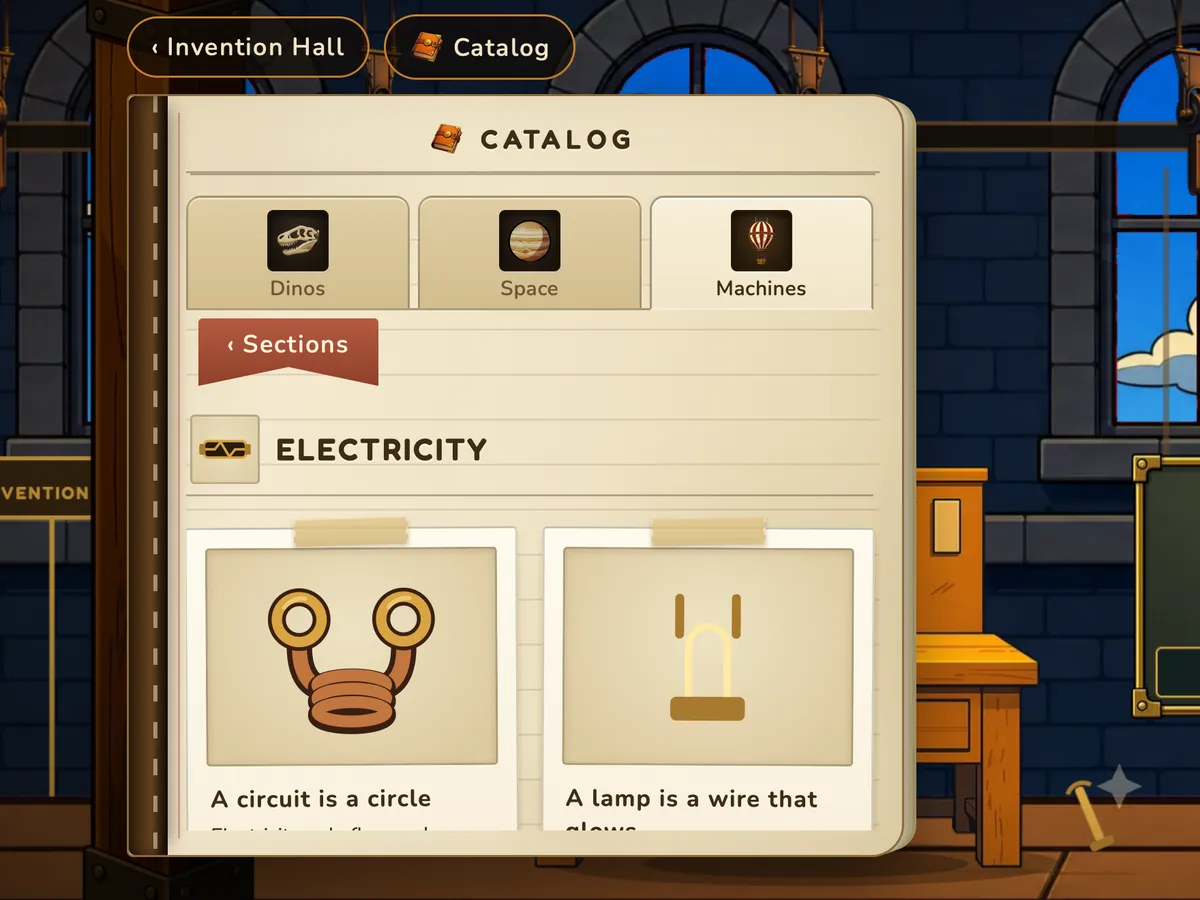
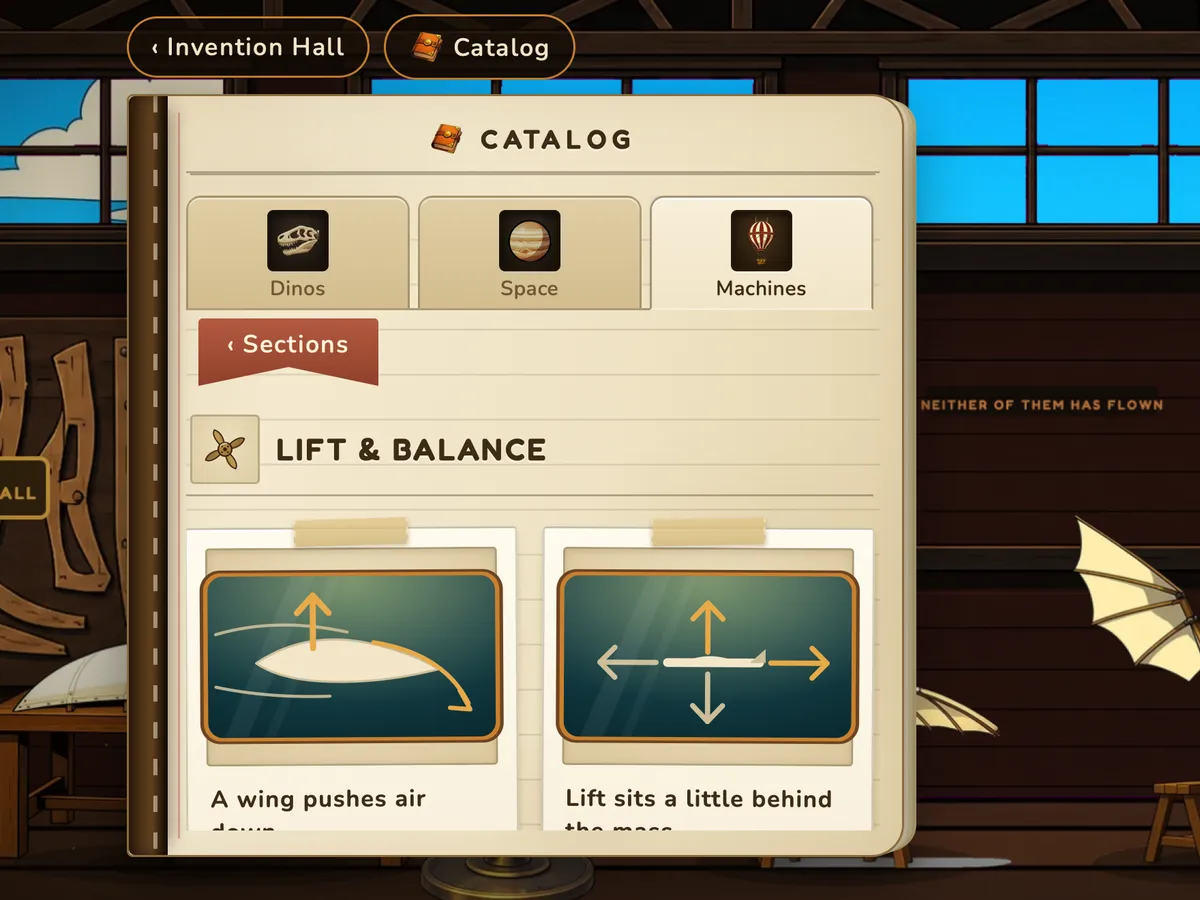
Inventive Facts
Inventors fail a lot, and that’s normal.
The Wright brothers built glider after glider. Edison’s team tested thousands of filaments. Testing and changing one thing at a time is how inventions work.
Inventions come from all over the world.
Printing began in China and Korea, steam power in Britain, the telephone in America and Canada, and flight in many countries at once.
The watt is named after James Watt.
We measure the power of light bulbs and machines in watts, in honour of his steam engine work.
Your phone holds many old inventions.
It uses circuits, a speaker that shakes like an old telephone’s diaphragm, and a screen that shows printed-style letters.
Kids invent things too!
Louis Braille invented his reading system for blind people when he was only 15 years old.
Science words to know
- Invention
- A new machine, tool or way of doing something.
- Inventor
- A person who creates an invention.
- Patent
- An official record that says who owns an invention’s idea.
- Prototype
- A first test model of an invention.
Quick quiz!
0 / 31. Did one person invent the light bulb?
2. Where was movable type first made?
3. What did the Wright brothers solve?
Questions kids ask
What are the most important inventions in history?
People argue about it, but the printing press, the steam engine, electric light, the telephone and the airplane are often on the list, and each changed how people live.
Who are some famous inventors?
Bi Sheng, Johannes Gutenberg, Thomas Newcomen, James Watt, Michael Faraday, Alexander Graham Bell, Joseph Swan, Thomas Edison and the Wright brothers.
How do inventors come up with ideas?
By noticing a problem, building on what others have done, testing, failing, and trying again. See it in action in the Wright brothers for kids.
Can kids be inventors?
Absolutely! Louis Braille invented braille at 15. Every inventor started as a curious kid asking “how does this work?”
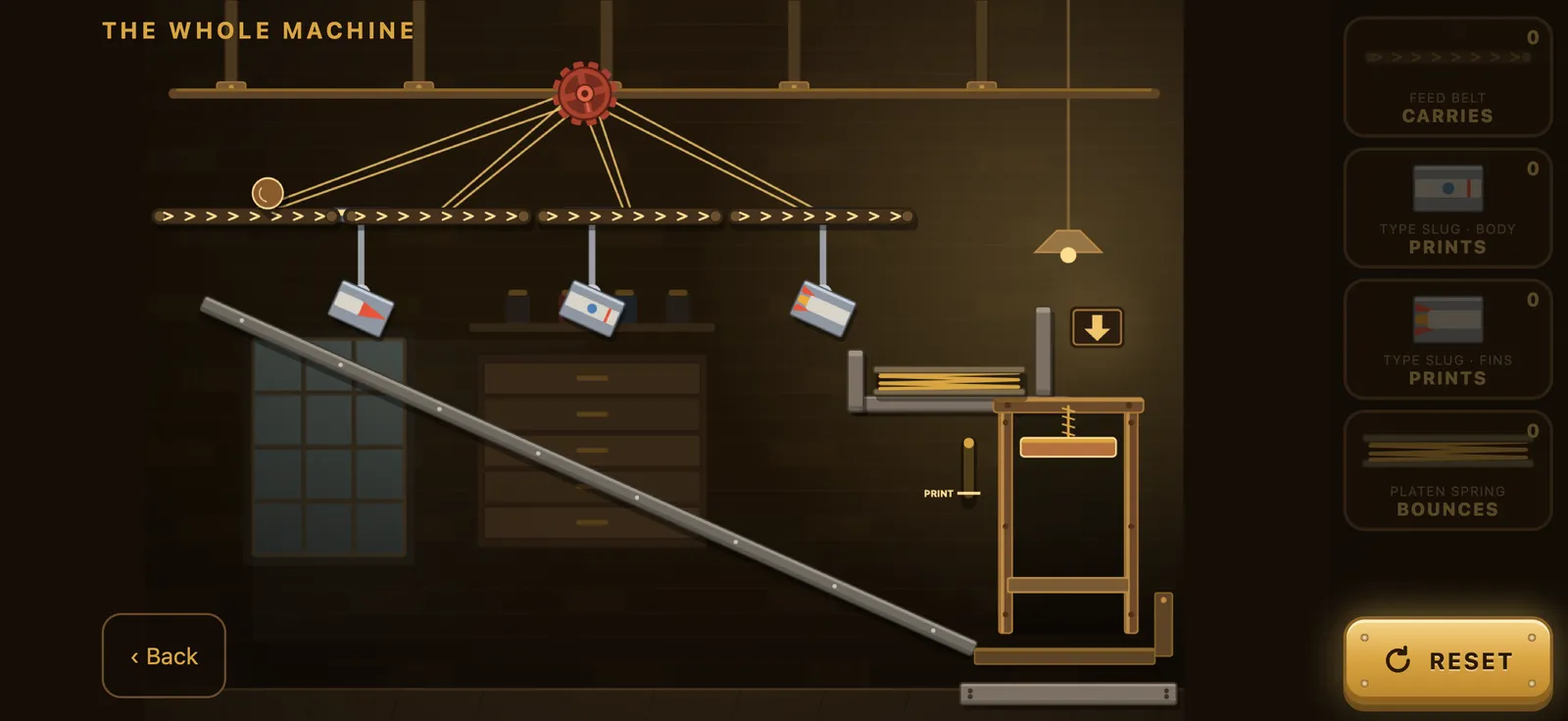
The Great Inventions Wing
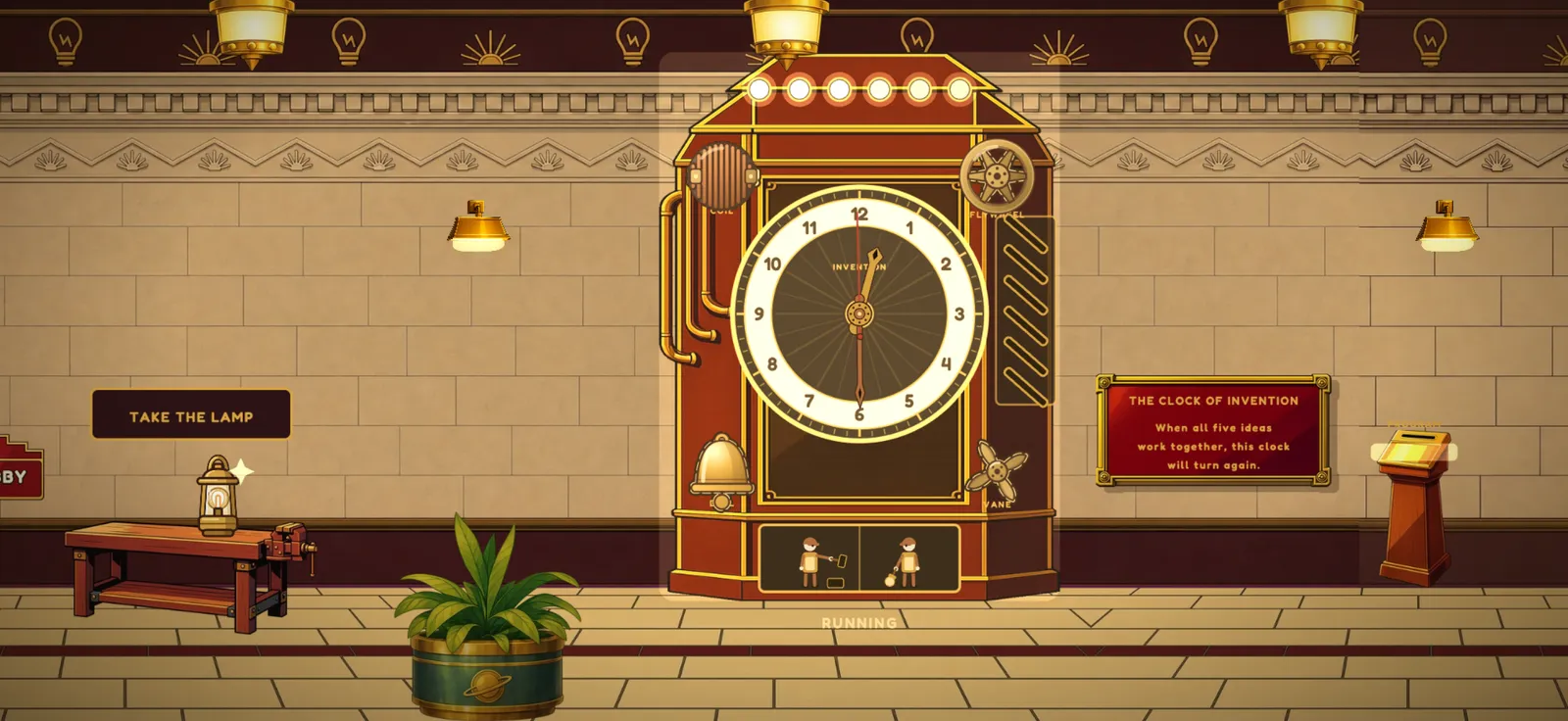
Wire a circuit, fire up a steam locomotive, connect a switchboard, design a glider and run a printing press. Then restart the Clock of Invention.
No ads, ever · Plays offline · Made for young kids and adults